
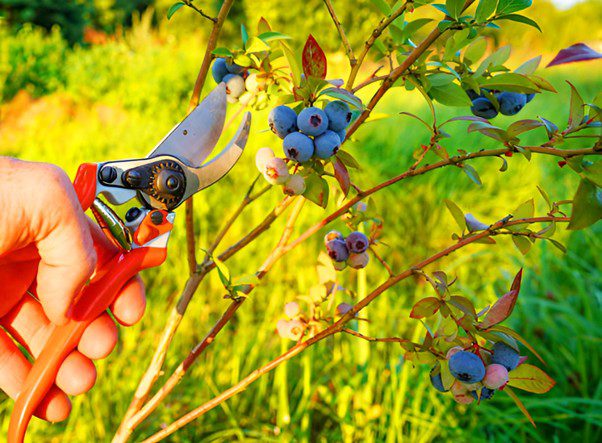
Pruning fruit trees correctly is one of the most rewarding skills a home gardener can develop. It directly shapes the quality, size, and abundance of your harvest each season. At Flask Gardening & Maintenance, we help Melbourne homeowners get the most from their fruit trees through expert pruning and garden care. This guide covers the strategy, timing, and technique that genuinely make a difference.
Key Takeaways
- Timing is everything: pome fruits are pruned in winter, stone fruits in summer, and citrus in late winter to early spring.
- The vase or open-centred shape is the most practical form for most backyard fruit trees in Australia.
- Always start by removing dead, diseased, and crossing branches before any shaping cuts are made.
- Do not apply wound sealants: research confirms they do more harm than good; let cuts heal in open air.
- Annual pruning prevents biennial cropping and keeps fruit within easy reach.
Why Pruning Fruit Trees Actually Matters
Here is the truth: fruit trees do not strictly need pruning to produce fruit. They will do it regardless, as fruiting is the tree’s natural mechanism for reproduction. But if you want fruit that is bigger, more plentiful, easier to reach, and of genuinely better quality, then pruning is essential. Avoiding a common citrus pruning mistake starts with understanding this balance.
Without regular pruning, fruit trees become crowded with unproductive old wood. Light cannot penetrate the canopy. Airflow becomes restricted, and disease pressure builds. The tree begins producing every second year in a pattern known as biennial cropping. Unmanaged trees tend to produce large volumes of small fruit positioned too high to reach conveniently.
Annual pruning keeps energy focused on fewer, better fruiting sites. It maintains a manageable size. And it gives you a tree structure that is strong enough to support heavy crop loads without branches splitting under weight. According to Apple and Pear Australia Limited on pruning and vigour management, under Australian growing conditions both high and low vigour problems can occur, making it essential to define the tree’s current status before developing any pruning strategy.
The Three Types of Fruit Tree Pruning
1. Formative Pruning
This is carried out during the first three years of a tree’s life. The aim is to establish a strong, open framework of branches before fruiting begins in earnest. The shape you create now will determine how manageable and productive the tree is for the next decade or more.
2. Maintenance Pruning
Once your tree has reached its desired shape, annual maintenance pruning keeps it there. It removes non-productive old wood, renews fruiting growth, and prevents the canopy from becoming too dense. This is the most common type of pruning you will carry out on an established backyard tree.
3. Renovation Pruning
This applies to neglected or overgrown trees that have lost their shape and productivity. Renovation pruning spreads the work over two or three seasons rather than attempting to reshape the tree in one heavy cut, which can seriously stress it. Patience here pays dividends.
Formative pruning service for gardens covers all three types, and our team can assess which approach your trees need before the first cut is made.
When to Prune: Getting the Timing Right
Timing is the single most common mistake in fruit tree pruning. Prune at the wrong time, and you risk disease entry, reduced fruit set, or wasted effort removing wood that would have carried your next crop.
Pome Fruit: Apples, Pears and Quinces
These are pruned in winter, when the trees are fully leafless and dormant. This is the classic time because it is easy to see the tree’s full structure, and the pruning wounds heal quickly once growth resumes in spring. In Victoria, this window typically falls between June and August.
The best pruning practice for deciduous fruit trees is to always prune pome fruit on a dry day. Wet conditions increase the risk of fungal and bacterial entry through fresh cuts.
Stone Fruit: Peaches, Nectarines, Plums, Apricots and Cherries
Stone fruit responds very differently to pruning than pome fruit. These trees are best pruned in summer, after harvest, when warm, dry conditions allow cuts to heal quickly and reduce the risk of fungal diseases like silver leaf and canker.
Particular apricots and cherries should always be pruned when actively growing, never in autumn or winter. Cutting during dormancy on these species carries a high risk of disease entering through the wound site.
Citrus: Lemons, Limes, Oranges and Mandarins
Citrus trees are evergreen and require a different approach entirely, especially when it comes to citrus tree care. Light pruning in late winter to early spring, just as flowers begin forming, is the ideal window. Hard pruning of citrus is rarely necessary and can remove significant fruiting wood all at once.
Maintenance pruning of established citrus trees typically requires only around one to two minutes per tree annually when done regularly, focusing on removing around 30% of the canopy in strategic cuts rather than heavy single pruning events.
The Right Shape for Backyard Fruit Trees
Two main shapes dominate backyard fruit tree management in Australia, and choosing the right one for each species makes a significant difference.
The Open Vase or Open Centre Shape
This is the most widely used shape for stone fruit and most other backyard varieties. Three to five main branches are selected and trained outward from the trunk, leaving the centre of the tree open. Sunlight reaches every part of the canopy. Airflow is good. Fruit ripens evenly. Harvest is straightforward.
The open centre structure keeps the canopy clear and allows equal sunlight distribution throughout the fruiting wood, which is the key driver of consistent fruit ripening.
The Central Leader Shape
This creates a single upright trunk with tiered scaffold branches radiating outward in layers. It is most suitable for apples, pears, cherries and almonds, where an upright growth habit makes this shape easier to maintain. The result is a stronger structure capable of supporting heavier fruit loads.
Approaching each species’ pruning requirements individually, as the appropriate form and timing vary considerably across fruit types.
The First Cuts: Always Start Here
Before any shaping work begins, work through these three steps on every fruit tree. They are not optional.
- Remove all dead, broken and diseased branches. These create entry points for pests and disease and should always come out first.
- Remove crossing branches. Where two branches rub against each other, remove the weaker or less well-positioned one. Wounds created by rubbing invite infection.
- Remove water sprouts and suckers. Vigorous vertical shoots from branches (water sprouts) and from below the graft union (suckers) draw energy away from productive fruiting wood and should be removed entirely.
After completing these three steps, begin the shaping and renewal cuts that maintain your chosen tree form.
What the Research Says About Summer Pruning
Summer pruning has become increasingly recognised as valuable for more than just stone fruit. According to the research, timely summer pruning controls vigorous new shoot growth, promotes the differentiation of flower buds for next season, improves ventilation and light within the canopy, and reduces pest and disease pressure. The review also confirms that excessive pruning negatively affects tree strength, yield, and fruit quality, reinforcing the principle of pruning with purpose rather than aggression.
Summer pruning increased average fruit weight and soluble solids content compared to winter pruning. These are tangible quality improvements that directly benefit home gardeners seeking better fruit.
Practical Tips That Make a Real Difference
- Use sharp, clean tools. A blunt blade tears bark and creates ragged wounds that are slower to heal and more vulnerable to infection.
- Cut just above an outward-facing bud. Position your cut approximately two millimetres above the bud. This directs new growth outward and away from the centre of the tree.
- Never apply wound sealants. Research consistently shows that painted or sealed cuts heal more slowly than untreated ones and can trap moisture that encourages rot.
- Remove large branches in stages. Cut from underneath first, then from above, to prevent the branch from tearing bark as it falls.
- Prune on a dry day. Particularly for stone fruit, dry conditions dramatically reduce the risk of fungal and bacterial diseases entering fresh cut surfaces.
Seasonal garden care for Australian backyards covers what your garden needs in each season, including the tree care tasks that make the most difference to your harvest.
Conclusion
A well-executed pruning strategy transforms what a fruit tree can produce. Better fruit, more of it, and a tree that stays manageable for years to come. The timing, shape, and technique all matter. If your fruit trees need professional attention, contact us today. Our Melbourne team is ready to help you get every season right.
FAQs:
When is the best time to prune fruit trees in Melbourne?
Pome fruits like apples and pears are pruned in winter. Stone fruits are pruned in summer after harvest.
How much of a fruit tree should I prune each year?
Remove roughly 20 to 30% of the canopy annually to maintain productivity and prevent overcrowding.
Should I prune a fruit tree that has not produced fruit yet?
Yes. Formative pruning in the first three years establishes the framework that supports future fruiting.
Is it okay to prune fruit trees in autumn?
Generally no. Autumn pruning of stone fruit particularly increases disease risk significantly.
Do I need to seal pruning cuts on fruit trees?
No. Research shows sealed wounds heal more slowly. Allow cuts to dry and callous naturally in open air.
What tools do I need to prune a fruit tree properly?
Sharp bypass secateurs, loppers for thicker branches, and a pruning saw for larger limbs are the essentials.