
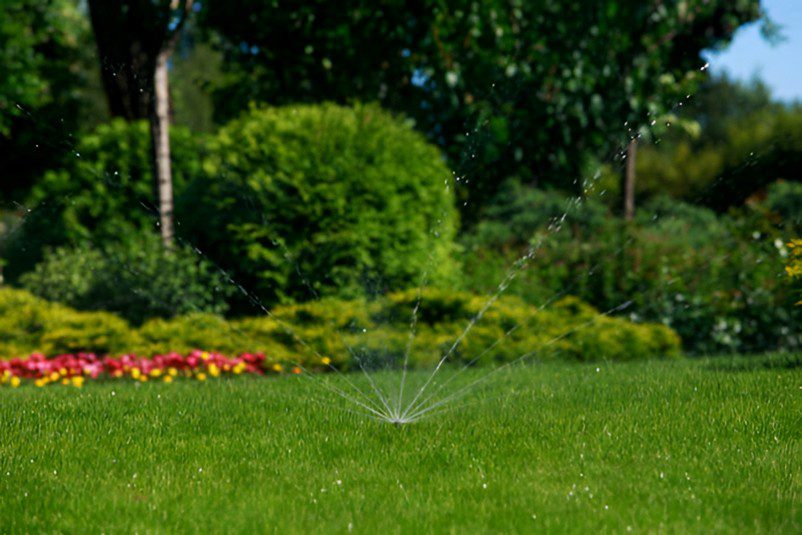
Overwatering is one of the most common reasons plants fail, yet it is often misunderstood. At Flask Gardening & Maintenance, we see many healthy gardens decline simply because watering habits do not match plant needs. The real secret is not watering more or less, but watering with purpose. Understanding soil, timing, and plant behaviour allows you to maintain consistent growth without stress. When managed correctly, watering becomes precise, efficient, and far more effective for long-term plant health.
Key Takeaways
- Overwatering is a leading cause of plant stress
- Soil type determines how often to water
- Checking soil moisture prevents unnecessary watering
- Proper drainage is essential for healthy roots
- Timing and consistency improve watering efficiency
Why Overwatering Happens
Overwatering usually comes from good intentions gone wrong. Gardeners want to keep plants happy, but too much attention can be detrimental.
Common causes include:
- Misjudging how much water a plant requires
- Relying on a fixed watering schedule instead of soil conditions
- Poor soil drainage that traps water
- Using pots without adequate drainage holes
Signs you might be overwatering:
- Yellowing or wilting leaves
- Mushy or soft roots
- Fungal growth on the soil surface
- Water pooling on the soil for hours
Understanding these signs is the first step to correcting watering habits.
Know Your Plants’ Needs
Different plants have different water requirements. Tropical plants, succulents, and native Australian species all vary significantly in their moisture tolerance.
Tips for matching water to plant type:
- Research individual species’ natural habitat and preferred soil moisture
- Group plants with similar water needs together
- Adjust watering frequency according to seasonal changes
- Consider pot size and soil type, smaller pots dry out faster
Matching water to plant needs prevents stress, encourages strong root development, and reduces disease risk.
Test Soil Before Watering
Soil moisture is a reliable indicator of when to water. Many gardeners water on a schedule rather than checking the soil, which often leads to overwatering.
Simple methods to test soil:
- Finger Test: Insert a finger 2–3 cm into the soil; water only if it feels dry
- Moisture Meter: Affordable tools give accurate readings
- Weight Check for Pots: Lift smaller pots to feel the weight difference between wet and dry soil
By assessing the soil first, you only water when necessary, saving both water and time.
Improve Drainage
Even the right watering amount can be too much if drainage is poor. Ensuring water can escape prevents roots from sitting in soggy soil.
Ways to improve drainage:
- Use well-draining potting mixes with sand or perlite
- Add drainage holes to pots if absent
- Avoid compacted soil in garden beds
- Elevate potted plants on stands or trays with holes for excess water
Good drainage encourages healthy roots, reduces fungal risk, and keeps plants thriving longer.
Mulch and Moisture Retention
Mulching process is an excellent way to balance soil moisture and prevent overwatering. Mulch helps the soil retain water during dry periods without needing constant watering.
Mulch benefits:
- Reduces evaporation from the soil surface
- Keeps soil temperature stable
- Suppresses weeds that compete for water
- Encourages beneficial soil organisms
Materials like bark, straw, or composted leaves work well in Australian gardens. Apply 5–10 cm around plants, avoiding direct contact with stems.
Watering Techniques That Work
The way you water can be as important as how often. Overhead watering often leads to waste and fungal growth, while targeted watering encourages strong root systems.
Effective techniques include:
- Deep Watering: Water slowly at the base so roots grow deeper
- Drip Irrigation: Provides precise water to each plant’s root zone
- Soaker Hoses: Ideal for garden beds, reducing runoff and evaporation
- Morning Watering: Reduces water loss and gives plants time to dry before night
Changing how you water reduces overwatering while promoting healthier plants.
Signs Plants Need Water
Knowing when to water requires attention to plant signals. Plants often display subtle signs before stress becomes severe.
Look out for:
- Drooping or curling leaves
- Leaves are becoming dull or losing vibrancy
- Slow growth or smaller leaves than usual
Responding to these signs rather than following rigid schedules prevents both under- and overwatering.
Seasonal Adjustments
Watering needs change with the seasons. Australian gardens experience dry summers, wet winters, and occasional heatwaves.
Seasonal tips:
- Reduce watering during rainy months
- Increase in extreme heat or during flowering periods
- Adjust frequency for indoor plants based on humidity
- Monitor soil moisture closely during seasonal transitions
Being flexible with watering ensures plants get the right amount year-round.
Tools to Make It Easier
Modern gardening tools can prevent overwatering and save effort.
Helpful tools:
- Soil moisture meters for accurate readings
- Timed drip irrigation systems
- Self-watering pots with reservoirs
- Rain gauges for garden beds
Investing in these tools can save water, prevent mistakes, and reduce plant stress.
Avoid Common Mistakes
Even with knowledge, gardeners sometimes fall into habits that cause overwatering.
Common mistakes:
- Watering pots without drainage
- Rewatering too quickly after light watering
- Ignoring plant-specific instructions
- Watering when the soil is still visibly moist
Being mindful of these errors helps maintain plant health.
Why Professional Guidance Makes a Difference
Managing watering correctly requires observation and understanding of your garden’s environment. Small variations in soil, sunlight, and plant placement can significantly influence how water is absorbed and retained across different areas, especially when factoring in seasonal garden care requirements across changing conditions.
At Flask Gardening & Maintenance, our services include assessing soil conditions, plant types, and layout to create practical maintenance plans. This ensures your garden receives the right amount of water without excess.
Our approach focuses on:
- Identifying soil behaviour across different zones
- Matching watering schedules to plant requirements
- Improving drainage where needed
- Reducing water waste while maintaining plant health
- Supporting consistent growth through balanced care
Conclusion
Avoiding overwatering is not about reducing care, it is about refining it. When you understand soil, plant needs, and timing, watering becomes controlled and effective. If you want a garden that remains healthy and balanced, contact us today. Our team will help you create a watering approach that supports long-term growth while reducing unnecessary effort.
FAQs:
How often should I water my plants?
It depends on soil type, plant species, and weather conditions.
Can overwatering kill plants?
Yes. Excess water can damage roots and lead to plant failure.
How do I know if the soil is too wet?
Damp soil below the surface and poor drainage are clear indicators.
Is it better to water in the morning or evening?
Morning is generally best as it reduces evaporation and supports absorption.
Do all plants need the same amount of water?
No. Each plant type has different watering requirements.
Can improving drainage fix overwatering issues?
Yes. Better drainage helps prevent water from accumulating around roots.