
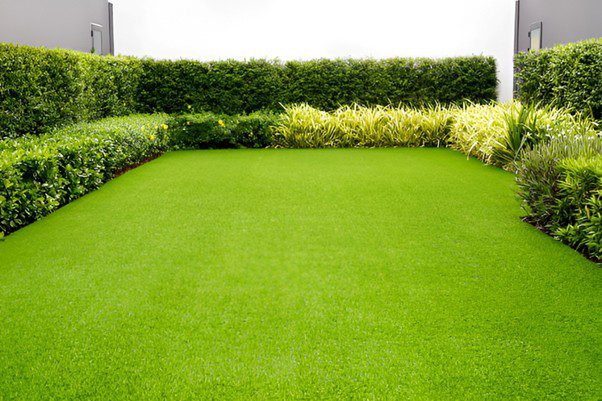
Synthetic grass has become one of the most talked-about landscaping choices for Australian homeowners. Low maintenance, year-round green, and no mowing. But is it truly worth the investment? At Flask Gardening & Maintenance, we work with Melbourne properties every day and see both sides of this decision up close. This article gives you an honest, balanced look at everything you need to consider.
Key Takeaways
- Synthetic grass eliminates mowing, watering, and fertilising, freeing up considerable time and money each year.
- Upfront installation costs in Australia typically range from $75 to $130 per square metre for professional supply and install.
- Heat retention is a genuine concern in Australian summers, especially in full-sun areas.
- Microplastic pollution from synthetic fibres is an emerging environmental issue in Australian waterways.
- Professional installation significantly affects how natural, durable, and long-lasting the result will be.
What Makes Synthetic Grass So Appealing?
It is not hard to see why synthetic grass has taken off across Melbourne’s suburbs. Australian backyards face a tough set of conditions: scorching summers, water restrictions, unpredictable rainfall, and heavy foot traffic from children and pets.
Natural grass struggles under these pressures. Patches go brown in summer. Shade kills coverage under trees. Wet winters turn heavily used areas into mud. Synthetic grass sidesteps all of these issues, staying consistently green and usable throughout the year, regardless of conditions.
The rapid expansion of synthetic lawn installations across Australia has been driven by shrinking backyards, busier lifestyles, and significant improvements in the aesthetic quality of modern synthetic products. Today’s high-quality turf genuinely mimics the texture, colour variation, and softness of natural grass.
The Real Benefits: What Synthetic Grass Does Well
1. Dramatically Lower Maintenance
This is the most immediate appeal. Once installed, synthetic grass requires no mowing, no watering, no fertilising, and no weeding. For families with busy schedules, the reclaimed time on weekends alone can be significant.
Landscape design maintenance demands shape the way we plan outdoor spaces for Melbourne homeowners. Synthetic grass consistently features in designs where lifestyle, not labour, is the priority.
2. Water Savings
In a country where water restrictions are a recurring feature of summer, synthetic grass removes irrigation from the equation entirely. Australian home owners confirms that a natural lawn for a 50m² backyard can consume thousands of litres per season. Synthetic grass eliminates this consumption.
The NSW Government’s Synthetic Turf Study in Public Open Space acknowledges water conservation as one of the primary drivers behind the adoption of synthetic surfaces across Australia, particularly in regions subject to periodic drought and restrictions.
3. Year-Round Usability
Synthetic grass holds up under heavy use in ways natural grass cannot. Pets, children, outdoor furniture, and regular foot traffic leave no permanent damage. The surface drains effectively, dries quickly after rain, and stays firm and consistent throughout the year.
Our synthetic grass installation service for Melbourne homes is designed specifically for these kinds of demanding residential environments. We match the right product to the right application, whether it is a pool surroundings, a pet area, a play zone, or a front yard.
The Drawbacks Worth Knowing About
Heat Retention
This is one of the most cited concerns for Australian homeowners, and it is legitimate. Synthetic grass absorbs and retains heat in ways natural grass does not. On a hot Melbourne summer day, surface temperatures can climb significantly above the surrounding air temperature.
Synthetic surfaces consistently register elevated temperatures compared to natural turf. For family areas where children play barefoot, this is worth factoring into your decision.
Higher quality products with cooling infill technologies have been developed in response to this concern, and these are worth asking about specifically when choosing a product.
Upfront Installation Cost
Synthetic artificial grass is not a cheap option at installation. A professionally installed 50m² backyard can cost between $3,750 and $6,500. Most industry guides put the per-square-metre rate for professional supply and installation at $75 to $130.
That said, over a 10 to 15-year lifespan, the absence of ongoing maintenance costs means many homeowners do recoup their investment. The timeline for that payback varies depending on the size of the area, local water rates, and how much lawn care would have been needed.
Environmental Considerations
This is the most complex aspect of the synthetic grass debate in Australia right now.
Synthetic turf is made from non-biodegradable plastic materials. The fibres escape through wear, weathering, and maintenance, entering stormwater systems and accumulating in coastal environments where they can harm wildlife.
At the end of life, synthetic turf also presents disposal challenges. Without an appropriate recycling infrastructure, most used synthetic turf ends up in landfill. Some Australian manufacturers are now working to address this through dedicated recycling programs, and it is worth asking any installer what the end-of-life plan looks like.
Natural Grass vs Synthetic Grass: Which Wins?
There is no universal answer. The right choice depends on your specific property, your values, and how you use your outdoor space.
Synthetic grass tends to be the stronger choice when:
- Your backyard has heavy foot traffic from children or pets.
- You have areas where natural grass struggles, such as heavily shaded spots or high-drainage zones.
- Water restrictions regularly affect your area during the summer.
- Maintenance time and cost are your primary concerns.
- You have a pool surround or entertaining area where a consistent, mud-free surface matters.
Natural grass tends to be the stronger choice when:
- Environmental impact and biodiversity are important to your household.
- You want children and pets to experience a genuinely natural surface.
- Upfront cost is the primary constraint.
- You prefer a surface that stays cooler in summer conditions.
Getting the Installation Right
If you do proceed with synthetic grass, the quality of the installation matters enormously. Poorly prepared bases lead to uneven surfaces, drainage issues, and premature wear. Poorly selected turf products can look artificial, heat up excessively, or lose their appearance within a few years.
The savings from attempting a self-install are often eroded by sub-base failures, product selection errors, and early replacement costs. Professional installation involves proper excavation, compaction, drainage preparation, and jointing, all of which determine how well and how long the finished lawn performs.
Warranty terms are also worth checking carefully. Standard warranties in Australia cover around seven to ten years. High-quality installations can last up to 25 years.
Conclusion
Synthetic grass is genuinely worth it for the right property and the right homeowner. It saves time, water, and ongoing maintenance costs over its lifespan. But it requires careful product selection, professional installation, and an honest assessment of the environmental trade-offs involved. Contact us today if you would like expert advice tailored to your Melbourne property.
FAQs:
How long does synthetic grass last in Australia?
Quality synthetic grass typically lasts 10 to 25 years, depending on installation quality and traffic levels.
Does synthetic grass get too hot to use in Melbourne summers?
Yes. Full sun exposure can make surfaces uncomfortably hot. Cooling infill technologies help reduce this significantly.
How much does synthetic grass installation cost in Melbourne?
Professional supply and installation typically costs between $75 and $130 per square metre for residential properties.
Is synthetic grass bad for the environment in Australia?
It can contribute to microplastic pollution in waterways. Disposal at the end of life is also a growing environmental concern.
Can synthetic grass be installed on slopes or uneven ground?
Yes. Professional installation handles slopes effectively, though site preparation costs may be higher for complex terrain.
Does synthetic grass require any maintenance?
Minimal maintenance is needed: removing debris, occasional brushing, and rinsing pet areas keeps it in good condition.