
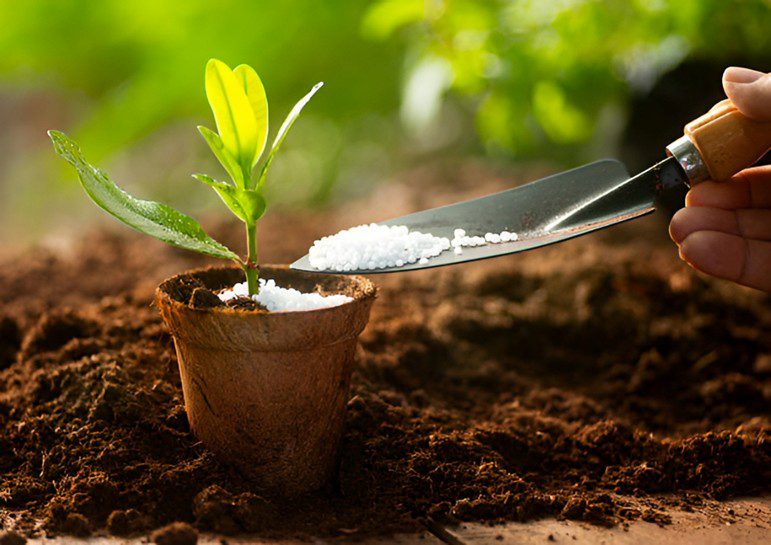
Healthy gardens are rarely accidental. At Flask Gardening & Maintenance, we’ve seen how thoughtful plant feeding transforms ordinary outdoor spaces into thriving ecosystems. Beyond visible growth, proper feeding strengthens roots, improves soil life, and builds long-term resilience. When plants receive the right nutrients at the right time, they don’t just survive, they perform with consistency, colour, and structure throughout the seasons.
Key Takeaways
- Balanced feeding improves plant strength and longevity
- Healthy soil supports consistent plant growth
- Proper nutrients reduce disease and stress
- Feeding enhances flowering, colour, and yield
- Targeted care minimises waste and overuse
Why Proper Plant Feeding Matters More Than You Think
Many gardeners focus on watering and sunlight but overlook nutrition. Plants rely on essential nutrients like nitrogen, phosphorus, and potassium to perform vital functions. Without a balanced supply, even well-watered plants can struggle. Proper feeding ensures they grow stronger, healthier, and more capable of handling environmental stress while supporting overall garden health.
At a practical level, proper feeding supports:
- Provides essential nutrients missing from depleted soil
- Supports overall plant growth and development
- Helps maintain long-term soil fertility
- Prevents common nutrient deficiencies
- Consistent leaf growth
- Stronger root anchoring
- Improved moisture retention
- Greater resistance to pests
The Role of Soil Health in Plant Feeding
Feeding plants is not just about fertiliser. It begins with the soil and directly influences garden health.
Healthy soil acts as a living system. It contains microorganisms that break down organic matter and make nutrients available to plants. Without this biological activity, even the best fertiliser may not deliver results.
Soil biodiversity plays a key role in nutrient cycling, plant vitality, and maintaining balanced garden health.
Key Soil Factors to Monitor
- Organic matter levels
- Drainage and structure
- Soil pH balance
- Microbial activity
Improving these elements creates a stable foundation for feeding practices and long-term garden health.
Hidden Benefit 1: Boosting Root Strength and Plant Stability
A well-fed plant develops a deeper and stronger root system. This is especially important in Australia’s often dry and unpredictable climate. Strong roots allow plants to access water and nutrients more efficiently while also anchoring them firmly in the soil.
- Encourages deep and widespread root growth
- Improves water absorption during dry periods
- Increases plant stability against wind and harsh weather
- Enhances nutrient uptake efficiency
Hidden Benefit 2: Enhancing Flowering and Fruit Quality
Proper feeding doesn’t just increase the number of flowers and fruits, it improves their quality as well. Balanced nutrients help plants produce vibrant blooms and flavourful produce, making your efforts more rewarding.
- Promotes more abundant flowering
- Improves fruit size, taste, and texture
- Extends harvesting periods
- Supports consistent crop production
Hidden Benefit 3: Increasing Resistance to Pests and Diseases
Healthy, well-nourished plants are naturally more resistant to pests and diseases. When plants receive the right nutrients, they develop stronger tissues and defence systems, reducing the need for chemical treatments.
- Strengthens plant cell structure
- Reduces vulnerability to pests
- Enhances natural disease resistance
- Minimises reliance on pesticides
Hidden Benefit 4: Supporting Soil Health and Sustainability
Feeding plants properly, especially with organic options, benefits not just the plant but the soil as well. Healthy soil is rich in microorganisms that support plant growth and maintain ecological balance.
- Improves soil structure and aeration
- Encourages beneficial microbial activity
- Reduces environmental impact
- Promotes sustainable gardening practices
Hidden Benefit 5: Improving Water Efficiency and Drought Tolerance
In regions where water can be scarce, proper feeding plays a key role in helping plants use water more efficiently. Well-nourished plants are better equipped to cope with drought conditions.
- Enhances water retention in plants
- Reduces stress during dry periods
- Improves overall plant hydration
- Supports survival in harsh climates
Hidden Benefit 6: Promoting Vibrant Growth and Longevity
Plants that receive consistent and balanced nutrition not only grow better but also live longer. They maintain lush foliage, strong stems, and continued productivity over time.
- Produces greener, healthier leaves
- Extends plant lifespan
- Reduces transplant shock
- Maintains steady growth cycles
Hidden Benefit 7: Improved Plant Immunity
Plants face constant pressure from pests, diseases, and environmental stress.
When nutrient levels are balanced, plants develop natural defence mechanisms. This reduces reliance on chemical treatments and supports long-term health.
Balanced nutrients improve plant immunity and reduce susceptibility to disease and pest damage.
Benefits Include:
- Stronger cell structure
- Reduced fungal infections
- Greater resistance to leaf damage
How to Feed Plants the Right Way
Feeding is not a one-size approach. It depends on plant type, soil condition, and environmental factors.
A Simple Feeding Framework:
1. Assess Soil Condition
Test nutrient levels and structure
2. Choose the Right Fertiliser
Organic or slow-release options are often effective
3. Apply At the Correct Time
Align feeding with growth cycles
4. Monitor Plant Response
Adjust based on performance
5. Support with Mulching
Helps retain nutrients and moisture
Common Mistakes to Avoid
Even experienced gardeners can overlook key feeding practices.
Avoid These Issues
- Overfeeding, which can damage roots
- Ignoring soil condition
- Using the wrong fertiliser type
- Feeding at incorrect times
- Applying unevenly across the garden
Correcting these mistakes often leads to noticeable improvements within weeks.
Supporting Your Garden with Professional Care
Managing feeding schedules requires consistency and a clear understanding of your landscape. Conditions can shift across seasons, soil types, and plant varieties, requiring a measured and practical approach.
At Flask Gardening & Maintenance, we integrate feeding into broader garden maintenance strategies. This ensures every plant receives the attention it requires without excess or imbalance while supporting long-term soil condition and plant stability across changing Australian conditions.
Our approach includes:
- Assessing soil condition across different zones
- Aligning feeding schedules with plant growth cycles
- Selecting suitable fertilisers for local environments
- Monitoring plant response and adjusting as needed
- Supporting sustainable practices that reduce nutrient loss
Conclusion
Proper plant feeding is not just a maintenance task. It is a strategic investment in your garden’s long-term performance. When nutrients are balanced and applied thoughtfully, plants respond with strength, stability, and visual appeal. If your garden is not performing as expected, the issue may lie beneath the surface. Contact us today to refine your plant care approach and create a garden that performs with consistency throughout the year.
FAQs:
How often should plants be fed?
Feeding frequency depends on plant type and soil conditions. Most gardens benefit from seasonal feeding.
Can overfeeding harm plants?
Yes. Excess nutrients can damage roots and reduce plant health.
What is the best type of fertiliser?
Organic and slow-release fertilisers are commonly recommended for balanced growth.
Do all plants require the same nutrients?
No. Different plants have different nutrient requirements based on species and growth stage.
Is soil testing necessary?
Soil testing helps identify nutrient deficiencies and supports accurate feeding decisions.
Can feeding improve flowering?
Yes. Proper nutrient balance enhances flowering and overall plant performance.