
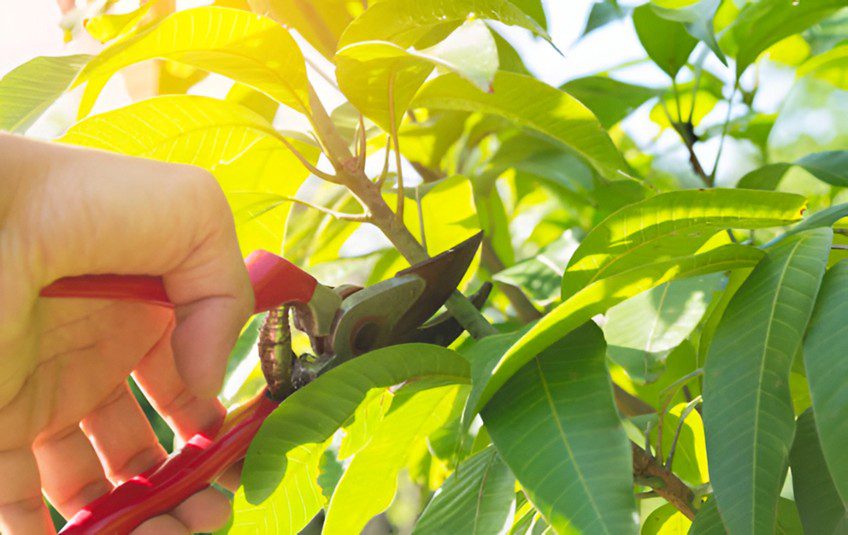
Healthy gardens are not built by chance. They are shaped by informed care, seasonal timing, and deliberate pruning choices. At Flask Gardening & Maintenance, tree pruning is treated as a strategic practice that strengthens plant structure, improves soil balance, and encourages long-term vitality. When carried out correctly, pruning does far more than tidy a canopy, it actively supercharges the overall health of your garden.
Key Takeaways
- Pruning improves light and airflow
- Healthy structure reduces breakage risk
- Disease spread is easier to control
- Soil and plant balance improve
- Gardens look and perform better
Pruning isn’t just about making things look neat. Done properly, it can completely transform the health, safety and productivity of your garden. Whether you’ve got natives, fruit trees or ornamental varieties, strategic pruning can supercharge your entire outdoor space.
Here are seven proven ways tree pruning boosts your garden’s health.
1. Encourages Stronger, Healthier Growth
Trees naturally put energy into every branch, even the weak or damaged ones. By pruning strategically, you redirect that energy into the healthiest parts of the tree.
Benefits of targeted pruning include:
- Stronger branch development
- Improved structural integrity
- Better shape and balance
- Reduced risk of weak limb breakage
Removing crossing, crowded or dead branches allows the tree to focus on producing robust new growth. Over time, this results in a sturdier, more resilient tree that’s better equipped to handle heatwaves and storms.
2. Prevents the Spread of Disease
Australia’s climate can be tough on plants. Tree diseases, pests and rot can spread quickly, especially in humid or wet conditions. Diseased branches left untreated can infect the entire tree and sometimes nearby plants.
Pruning helps by:
- Removing infected limbs before the disease spreads
- Increasing airflow through the canopy
- Reducing moisture build-up
- Allowing more sunlight to penetrate
Improved airflow is a game-changer. Sunlight and ventilation make it harder for fungi and bacteria to thrive, giving your garden a natural defence boost.
3. Boosts Fruit Production
If you’ve got fruit trees in your backyard, pruning is essential. Trees like Citrus sinensis and Malus domestica respond particularly well to regular pruning.
Why pruning improves fruit yield:
- Encourages new fruiting wood
- Improves sunlight exposure to developing fruit
- Enhances air circulation
- Reduces competition for nutrients
When fruit is exposed to better light, it develops more evenly and often tastes sweeter. Plus, fewer overcrowded branches mean the tree can channel nutrients into producing higher-quality fruit rather than supporting excess growth.
4. Improves Safety Around Your Home
In many parts of Australia, storm season is no joke. Overgrown or weakened branches can snap during high winds, posing risks to people, pets, cars and even your home.
Regular pruning reduces hazards by:
- Removing dead or brittle limbs
- Preventing branches from overhanging roofs
- Clearing power lines and fences
- Maintaining a balanced canopy
Heavy limbs hanging over your house might not seem urgent until the next big storm rolls through. Pruning minimises that risk and gives you peace of mind.
5. Enhances Sunlight for the Whole Garden
It’s not just the tree that benefits from pruning, your entire garden does. Dense canopies can block sunlight from reaching lawns, flower beds and smaller plants underneath.
By thinning out overcrowded branches, you:
- Increase sunlight penetration
- Improve grass growth
- Help flowering plants thrive
- Reduce damp, shaded areas where mould can form
In Aussie gardens, where the sun is abundant, making the most of natural light can dramatically improve overall plant health. A well-pruned tree creates dappled shade rather than deep, lifeless darkness.
6. Promotes Better Shape and Aesthetic Appeal
Let’s face it, a scraggly, lopsided tree can drag down the look of your whole backyard. Pruning helps maintain a pleasing shape and prevents awkward growth patterns.
Aesthetic benefits include:
- Balanced canopy structure
- Controlled height and spread
- Cleaner, more organised appearance
- Enhanced street appeal
Whether you’re entertaining mates for a weekend barbie or thinking about selling your home down the track, tidy, well-maintained trees make a strong impression.
7. Encourages Native Species to Thrive
Australia is home to incredible native trees like Eucalyptus and Callistemon. While many natives are hardy, they still benefit from regular tree pruning, especially in suburban settings.
Pruning native trees can:
- Stimulate fresh flowering growth
- Maintain a manageable size in smaller yards
- Reduce limb drop risk
- Improve overall tree longevity
Some natives are prone to dropping branches, particularly during heat stress. Removing weak or overcrowded limbs helps reduce that risk and supports healthier growth patterns.
When Is the Best Time to Prune?
Timing matters. In most parts of Australia:
- Late winter to early spring is ideal for many deciduous trees
- After fruiting is best for fruit trees
- Light pruning can be done year-round for maintenance
- Avoid heavy pruning during extreme heat
Each species has its own quirks, so it’s worth checking specific recommendations. Over-pruning or cutting at the wrong time can stress a tree rather than strengthen it.
The Importance of Proper Technique
Pruning isn’t just about hacking away at branches. Poor technique can cause long-term damage.
Good pruning Practice involves:
- Using clean, sharp tools
- Cutting at the correct angle
- Avoiding excessive removal (generally no more than 20–30% at once)
- Making cuts just outside the branch collar
- Removing deadwood first
For large trees or those close to structures, it’s often safer to call in a qualified arborist. Climbing ladders with a chainsaw is not worth the risk.
Long-Term Garden Health Starts at the Top
Trees are often the anchor of a backyard. They provide shade, habitat for birds, privacy and character. But without proper care, they can also become a source of disease, danger or decline.
Regular pruning supports:
- Stronger tree structure
- Healthier surrounding plants
- Safer outdoor spaces
- More productive fruit harvests
- A more visually appealing landscape
It’s one of those maintenance jobs that delivers benefits far beyond what you see on the surface.
Why Professional Pruning Makes a Difference
Tree pruning requires knowledge of plant behaviour, seasonal timing, and growth response. Incorrect cuts can weaken trees or trigger uncontrolled regrowth.
Professional services ensure:
- Correct pruning techniques
- Compliance with local guidelines
- Long-term tree health
At Flask Gardening & Maintenance, tree pruning services are integrated into a broader garden care strategy, rather than being treated as a standalone task.
Conclusion
Tree pruning is one of the most powerful tools available for improving garden health, structure, and longevity. When performed with intention and care, it supports every layer of the landscape, from soil to canopy. To strengthen your garden with expert pruning services, contact us. Our team delivers informed, professional care that helps gardens thrive season after season.
FAQs:
How often should trees be pruned?
Most trees benefit from pruning every one to three years, depending on species and growth rate.
Can pruning damage a tree?
Incorrect pruning can harm a tree. Professional methods support recovery and healthy regrowth.
Is there a best season for tree pruning?
Timing depends on the tree type, though many benefit from pruning outside active growth periods.
Does pruning help prevent storm damage?
Yes. Removing weak or heavy branches reduces the risk of breakage during high winds.
Can pruning improve fruit or flower production?
Correct pruning encourages energy distribution, often improving flowering and yield.
Should large trees be pruned by professionals only?
Yes. Large trees require specialised equipment and expertise for safe and effective pruning.