
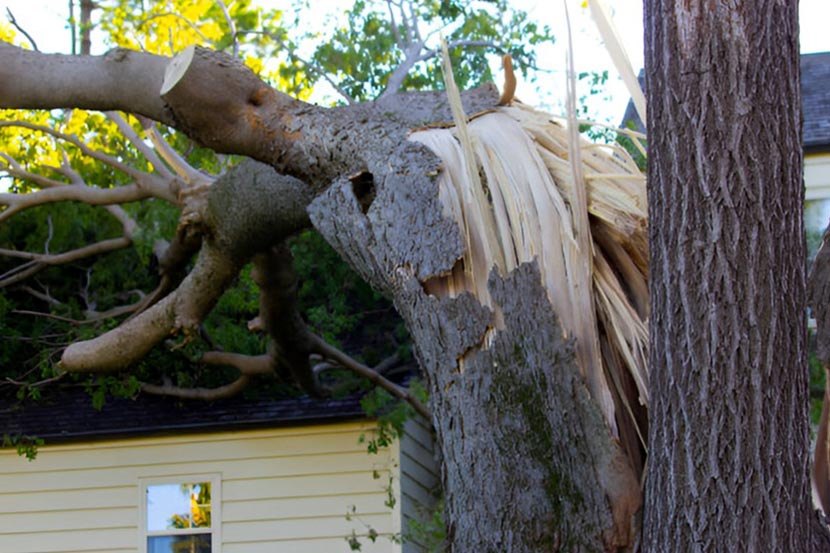
Removing a tree without proper planning can quickly turn hazardous. Many homeowners underestimate how weight, height, and root systems affect control. Flask Gardening & Maintenance regularly sees the consequences of untrained removal attempts. Understanding the risks involved helps protect personal safety, surrounding structures, and the long-term condition of outdoor spaces across Australian properties.
Key Takeaways
- Tree removal involves unpredictable risks
- DIY attempts increase injury potential
- Structural weaknesses are often hidden
- Legal compliance is often overlooked
- Professional assessment protects people and property
Trees add beauty, shade, and value to Australian homes, but when a tree becomes hazardous, diseased, or simply in the wrong spot, many homeowners consider removing it themselves. At first glance, DIY tree removal may seem like a way to save money, but the risks often outweigh the benefits. What may appear as a straightforward task can quickly become dangerous, expensive, or even illegal if not handled properly. Understanding the hidden dangers of DIY tree removal can save lives, property, and your wallet.
Here’s what every homeowner needs to know about attempting tree removal on their own.
1. Physical Danger and Risk of Injury
Removing a tree involves working with heavy timber, sharp tools, and sometimes large branches that can fall unpredictably. Injuries are common when homeowners underestimate these hazards.
- Falling branches or trees can cause serious trauma, including fractures or head injuries.
- Chainsaws, axes, and handsaws are extremely dangerous if used without proper training.
- Uneven ground or slippery conditions increase the risk of slips and falls.
Even a seemingly small tree can cause significant injury if it falls in the wrong direction. Statistics from local councils show that DIY tree accidents lead to hundreds of emergency room visits annually in Australia.
2. Property Damage Risks
Trees don’t fall in neat, predictable ways. Attempting to remove a tree yourself can result in costly damage to your home, fences, vehicles, or neighbouring properties.
- Misjudged cuts can send the tree toppling onto your house.
- Roots and large branches may damage driveways or underground utilities.
- Fallen branches can smash garden furniture, sheds, or fences.
Repairing property damage often costs far more than hiring a licensed tree removal service in the first place.
3. Lack of Proper Equipment
Professional tree removal companies have specialised equipment designed to safely handle trees of all sizes. Homeowners rarely have access to the same tools.
- Professional chainsaws, rigging ropes, and harnesses are designed for heavy-duty use.
- Crane or cherry picker hire may be required for taller trees.
- Protective gear (helmets, gloves, chainsaw chaps) is essential to prevent injury.
Without the right tools, even a small mistake can escalate into a dangerous situation.
4. Legal and Regulatory Considerations
Removing trees isn’t just a practical concern, it’s also a legal one. Many councils have regulations protecting certain tree species, especially native or heritage trees.
- Failing to obtain council approval can result in hefty fines.
- Some trees are protected under environmental laws, particularly near watercourses or bushland.
- Neighbouring property rights may also come into play if your removal affects their land or safety.
DIY tree removal without checking regulations can lead to legal headaches and unexpected penalties.
5. Hidden Environmental Impact
Trees play an important role in the environment, providing shade, reducing soil erosion, and supporting wildlife. Improper removal can have unintended consequences.
- Removing a tree incorrectly may damage nearby vegetation or garden beds.
- Nesting birds or native animals can be harmed if the tree is felled without inspection.
- Soil structure and water runoff can be negatively affected, causing erosion or flooding.
Professional arborists are trained to minimise environmental impact and ensure responsible and Sustainable tree management.
6. Difficulty with Large or Dangerous Trees
Some trees are simply too large or unstable to handle safely without professional expertise. Even a moderately sized tree can be hazardous if it leans, has internal rot, or is affected by storms.
- Dead or decaying trees can break unpredictably during cutting.
- Leaning trees require precise directional cutting and rigging techniques.
- High winds or uneven terrain increase risk exponentially.
Attempting these removals yourself is extremely risky, even if you consider yourself handy.
7. Costly Mistakes Can Add Up
While DIY tree removal is often motivated by saving money, mistakes can lead to higher expenses than hiring a professional.
- Emergency medical costs if injury occurs
- Property repair bills for accidental damage
- Fines for legal violations or environmental breaches
- Additional costs to hire a professional to fix the botched removal
In most cases, professional tree removal is more cost-effective when you consider the potential consequences of doing it yourself.
8. Insurance and Liability Issues
If a DIY tree removal goes wrong and causes injury or property damage, homeowners may be personally liable.
- Home insurance may not cover injuries from DIY tree removal.
- Liability extends to neighbours if their property is damaged.
- Professional tree removal companies carry insurance to protect both their team and your home.
Using licensed arborists reduces financial and legal exposure.
Tips for Safe Tree Management
While DIY tree care can work for small branches or light pruning, removing an entire tree is best left to professionals. Consider these safer alternatives:
- Hire a professional arborist from licensed tree removal company for full removal, especially for large or risky trees.
- Use DIY methods only for minor pruning or small, safe branches.
- Check council regulations and obtain necessary permits.
- Regularly inspect trees to catch issues before they become dangerous.
- Ensure you have proper safety gear if performing minor work.
Why DIY Tree Removal Is More Dangerous Than It Looks?
Trees are living structures with unpredictable weight distribution, root systems, and response to cutting. What seems like a controlled task can quickly escalate once cutting begins. Changes in balance, hidden decay, or shifting roots can cause sudden movement. Without training or equipment, these variables increase the risk of injury, property damage, and uncontrolled falls.
- Weight and balance can shift without warning
- Internal decay is often not visible
- Limited control once cutting starts
How Flask Gardening & Maintenance Approaches Tree Removal?
At Flask Gardening & Maintenance, tree removal service is planned with safety, site protection, and long-term outcomes in mind. Each project begins with an assessment of tree health, location, and surrounding risks. This careful planning helps reduce disruption, manage fall zones, and protect nearby structures and landscaping. The approach prioritises controlled removal and responsible site restoration.
- Detailed assessment of tree condition and stability
- Consideration of surrounding buildings and services
- Focus on safe removal and site recovery
Conclusion
DIY tree removal often appears cost-effective, yet the risks outweigh the savings. Injury, property damage, and compliance issues can arise quickly when work is undertaken without proper training or equipment. For safe, compliant, and well-planned tree removal, contact us today. Professional support protects your property, your safety, and the long-term health of your landscape.
FAQs:
Is it illegal to remove a tree yourself in Australia?
It depends on local council regulations. Some trees are protected and require permits before removal.
What size tree is unsafe to remove without a professional?
Any tree with significant height, weight, or close proximity to buildings or power lines should be assessed by a professional.
Can DIY tree removal affect home insurance?
Yes. Damage caused by unlicensed or unsafe tree removal work may not be covered under home insurance policies.
What is the biggest danger of DIY tree removal?
Uncontrolled tree falls and serious personal injury are the most common risks associated with DIY tree removal.
Do professionals remove tree stumps as well?
Yes. Professional tree removal services often include stump removal or stump grinding as part of the job.
How much does professional tree removal cost?
Costs vary depending on tree size, location, and job complexity, but early professional intervention can help prevent higher repair costs.