
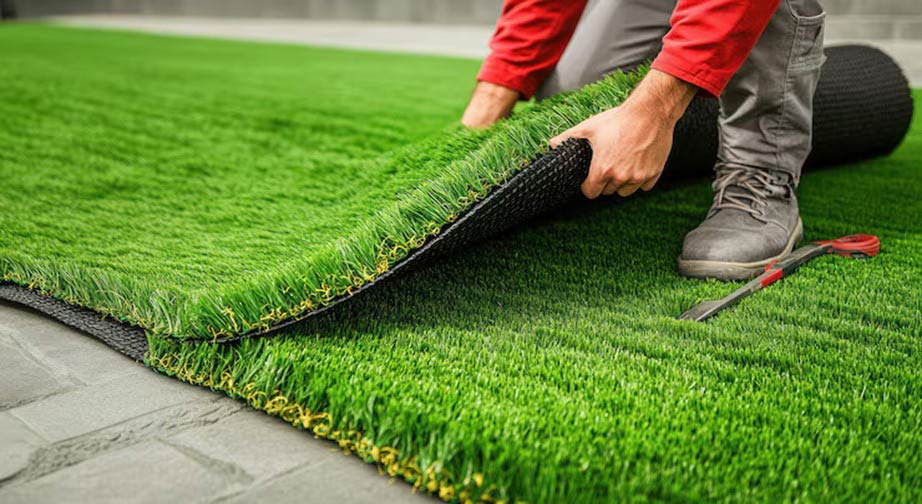
Synthetic turf is reshaping outdoor spaces across Australia, offering a practical alternative to traditional lawns. At Flask Gardening & Maintenance, synthetic turf solutions are selected to suit modern lifestyles, changing climates, and long-term property performance. From water efficiency to year-round presentation, this approach delivers measurable value for residential and commercial environments. The benefits extend beyond appearance and support smarter landscape planning.
Key Takeaways
- Eliminates lawn watering
- Maintains year-round appearance
- Reduces ongoing maintenance
- Handles heavy foot traffic
- Supports modern landscape design
Why Synthetic Turf Is Gaining Ground in Australia
- Natural grass often struggles under Australian conditions. Inconsistent rainfall, ongoing water restrictions, compacted soil, and limited time available for regular upkeep frequently result in lawns that appear worn, uneven, or patchy throughout the year. Maintaining natural turf can become increasingly challenging, particularly during extended dry periods or in high-use areas.
- Synthetic turf offers a stable, uniform surface that delivers reliable performance without seasonal decline. When installed correctly, it supports long-term durability, balanced visual presentation, and reduced maintenance demands across a wide range of residential, commercial, and shared outdoor settings.
6 Smart Landscaping Benefits of Synthetic Turf Solutions
Synthetic turf has become a practical landscaping option for properties seeking long-term performance and visual consistency. Designed to suit Australian conditions, it reduces water use, limits ongoing maintenance, and maintains a clean appearance year-round. Its durability and adaptability make it suitable for both residential and commercial outdoor spaces.
1. Significant Water Savings
Outdoor irrigation accounts for a large share of household water use. Natural lawns require frequent watering to remain healthy during the warmer months, whereas synthetic turf eliminates this requirement.
The Australian Government’s Department of Climate Change, Energy, the Environment and Water identifies outdoor watering as a major source of residential water consumption.
Key advantages include:
- No irrigation systems required, removing the need for sprinklers, timers, or ongoing water scheduling.
- Reduced exposure to water restrictions, ensuring outdoor spaces remain usable during drought conditions and seasonal bans.
- Lower long-term utility costs, with water savings contributing to reduced household and property operating expenses.
2. Reliable Appearance Throughout the Year
Seasonal stress, foot traffic, and soil conditions all impact the appearance of natural grass. Synthetic turf maintains colour and structure regardless of weather patterns.
This level of consistency suits:
- Front yards and street-facing spaces, where visual presentation plays a key role in street appeal and first impressions.
- Commercial properties, requiring a clean, professional appearance without seasonal decline or frequent maintenance.
- Display homes and rental landscapes, where consistent presentation reduces upkeep while supporting property appeal.
3. Reduced Maintenance Requirements
Traditional lawn care involves regular mowing, edging, fertilising, aerating, and weed control. Synthetic turf removes most ongoing tasks, reducing both time commitment and maintenance costs.
Maintenance typically involves:
- Periodic surface cleaning, to remove dust and maintain an even, tidy appearance.
- Debris removal, such as leaves or organic matter that may collect on the surface over time.
- Infill redistribution when required, helping maintain surface stability and even wear in higher-use areas.
4. Designed for High-Traffic Use
Natural grass deteriorates quickly in areas with regular use. Walkways, play areas, pet zones, and shared spaces often struggle to recover. Synthetic turf is engineered to withstand repeated foot traffic without surface breakdown.
Suitable applications include:
- Family backyards, where regular use by children and pets places ongoing pressure on natural grass.
- Childcare and school grounds require durable surfaces that remain safe and visually consistent under daily activity.
- Commercial courtyards and common areas, where high foot traffic demands long-lasting performance with minimal surface wear.
5. Improved Hygiene and Allergen Control
Natural lawns can trap pollen, insects, and moisture, which may increase allergen exposure. Synthetic turf provides a controlled surface with improved drainage and reduced biological activity.
Benefits include:
- No pollen production, reducing exposure to common outdoor allergens associated with natural grass.
- Fewer insect habitats, as the absence of soil and organic growth limits nesting and breeding conditions.
- Cleaner surface conditions, supported by efficient drainage that helps prevent moisture retention and surface build-up.
6. Flexible Design for Modern Landscapes
Synthetic turf adapts easily to contemporary landscape layouts. It performs well in shaded areas, narrow spaces, rooftops, balconies, and around pools where natural grass struggles to establish.
Design flexibility allows:
- Clearly defined outdoor zones, supporting structured layouts for entertaining, recreation, or relaxation.
- Integration with paving and garden beds, creating clean transitions between hardscape and planted areas.
- Usable green areas in challenging locations, including shaded or elevated spaces where natural lawns are difficult to maintain.
Where Synthetic Turf Performs Best
Synthetic turf delivers the strongest results when applied strategically. Common uses include:
- Courtyards with limited sunlight, where ongoing shade, restricted airflow, and surrounding structures prevent natural grass from establishing or remaining healthy.
- High-traffic residential yards, where frequent foot traffic from daily use, place pressure on natural lawns and require a surface that retains its appearance over time.
- Commercial outdoor areas, where a clean, consistent finish is required to support professional presentation while keeping maintenance demands low.
- Low-maintenance rental properties, where durable landscaping solutions help maintain visual appeal while minimising ongoing care and repair requirements.
Conclusion
Synthetic turf offers a practical solution to modern landscaping challenges, combining water efficiency, durability, and consistent presentation. For tailored advice and professional installation, get in touch with us to discuss how synthetic turf can enhance outdoor spaces with long-term results.
FAQs
Is synthetic turf suitable for Australian climates?
Yes. Modern synthetic turf systems are designed to withstand UV exposure, temperature fluctuations, and regular use commonly experienced across Australian conditions.
Does synthetic turf add value to a property?
Low-maintenance outdoor spaces with consistent visual presentation can enhance overall property appeal for both buyers and tenants.
How long does synthetic turf last?
High-quality synthetic turf typically lasts between 10 and 15 years, depending on usage levels, installation quality, and ongoing care.
Is synthetic turf safe for children and pets?
When installed correctly, synthetic turf provides a stable, non-toxic surface suitable for family environments, including areas used by children and pets.
Does synthetic turf drain effectively?
Professional synthetic turf systems include engineered drainage layers that allow water to pass through efficiently, preventing surface pooling.
Can synthetic turf be installed over existing soil?
Yes. With proper base preparation, synthetic turf can be installed over soil while ensuring long-term stability, effective drainage, and reliable performance.