
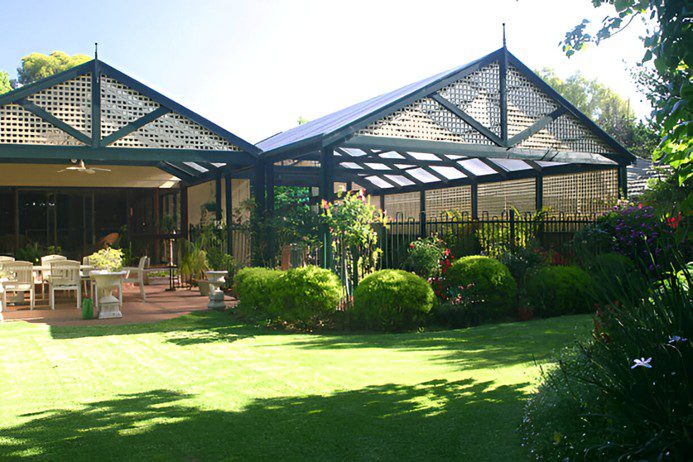
Maintaining garden health during summer relies on well-timed actions and informed choices rather than constant intervention. Heat, rapid growth, and moisture loss can place ongoing strain on plants if unmanaged. Flask Gardening & Maintenance applies practical seasonal expertise to support soil balance and plant resilience. Focused summer care helps gardens stay structured, healthy, and visually consistent while easing stress across lawns, trees, and planted areas.
Key Takeaways
- Healthy soil improves summer resilience
- Deep watering strengthens root systems
- Controlled pruning reduces plant stress
- Early monitoring prevents tree damage
- Structural balance supports long-term health
Australian summers can be tough on gardens, especially with long hot days, sudden heatwaves and water restrictions to think about. Plants can quickly become stressed, lawns can dry out, and soil can lose its goodness if not managed properly. Prepare garden for summer heat by focusing on practical steps rather than major changes. The good news is that you don’t need a complete garden overhaul to see real improvements. With a few smart and effective actions, you can boost your garden’s health and keep it thriving through summer. Here are five quick and effective ways to do just that.
1. Water Smarter, Not Harder
Watering is essential in summer, but how and when you water makes a huge difference. Many gardens struggle not because of too little water, but because of poor watering habits.
- Water early in the morning or late in the afternoon to reduce evaporation
- Water deeply rather than frequently to encourage strong root growth
- Focus on the base of plants instead of wetting leaves
- Use drip irrigation or soaker hoses for efficient water use
Deep, well-timed watering helps plants cope better with heat and dry conditions while saving water at the same time.
2. Mulch to Protect and Nourish the Soil
Mulch is one of the simplest and most effective ways to improve garden health during summer. It acts like a protective blanket for your soil.
- Helps retain moisture and reduce water loss
- Keeps soil cooler during extreme heat
- Suppresses weed growth
- Breaks down over time to improve soil quality
Organic mulches such as bark chips, sugarcane, straw or compost are ideal for most Australian gardens. Aim for a layer about 5–8 cm thick, keeping it slightly away from plant stems.
3. Feed Your Plants the Right Way
Summer growth puts extra demands on plants, so proper nutrition is important. However, overfeeding or using the wrong products can do more harm than good.
- Use slow-release fertilisers to avoid burning plants
- Choose fertilisers suited to specific plants, such as natives or vegetables
- Apply liquid seaweed or compost teas to support plant health
- Avoid fertilising during extreme heat
Healthy soil leads to healthy plants, so consider improving soil quality with compost or organic matter rather than relying only on chemical fertilisers.
4. Prune and Tidy with Care
A light tidy-up can help your garden look better and function more efficiently, but summer pruning needs to be done carefully.
- Remove dead, damaged or diseased branches
- Trim lightly to improve airflow and reduce pest problems
- Avoid heavy pruning in hot weather
- Clean up fallen leaves and debris to prevent disease
Keeping plants well-shaped and free of dead material helps them focus energy on healthy growth and reduces stress during the hotter months.
5. Watch for Pests and Stress Signs Early
Summer is peak time for garden pests and plant stress. Catching problems early makes them much easier to manage.
- Check leaves regularly for holes, spots or discolouration
- Look for signs of insects such as aphids, caterpillars or mites
- Treat problems early using eco-friendly solutions where possible
- Remove affected plant parts before issues spread
Heat stress can also cause wilting, leaf scorch or slowed growth. Providing shade for sensitive plants and maintaining consistent care can help prevent long-term damage.
Extra Tips for a Healthier Summer Garden
In addition to the five main steps above, maintaining your garden to ensure its long-term health involves a few extra habits that support plants through summer stress.
- Group plants with similar water needs together
- Use shade cloth for young or delicate plants
- Avoid walking on lawns during extreme heat
- Keep garden tools clean to prevent spreading disease
These small actions can make a noticeable difference, especially during prolonged hot spells.
Flask Gardening & Maintenance Supporting Healthier Gardens Across Melbourne
Flask Gardening & Maintenance delivers professional garden and tree care services designed to protect plant health, improve soil condition, and maintain well-structured outdoor spaces throughout Melbourne. Every service is guided by seasonal knowledge, practical experience, and an understanding of how local conditions affect garden performance over time.
The team works with residential, commercial, and strata properties, providing consistent maintenance rather than short-term fixes. Careful planning ensures gardens remain resilient during high-growth summer periods while preserving long-term balance and visual order.
Key service strengths include:
- Seasonal garden maintenance tailored to Melbourne’s climate
- Soil improvement and moisture management strategies
- Structured pruning to support healthy growth and airflow
- Ongoing monitoring to identify stress before decline occurs
By combining horticultural expertise with reliable service delivery, Flask Gardening & Maintenance helps gardens remain healthy, functional, and visually maintained throughout the year.
Conclusion
Summer garden health relies on timely, informed action rather than constant intervention. By improving soil condition, watering efficiently, pruning carefully, and maintaining structure, gardens remain stable and resilient through warmer months. If your garden requires seasonal support or professional care, contact us today. Our team provides structured summer garden services designed to protect plant health, manage growth, and maintain outdoor spaces across Melbourne.
FAQs:
How often should I water my garden in summer?
Most gardens benefit from deeper watering two to three times per week, adjusted for plant type, soil conditions, and weather.
Is mulch necessary during summer?
Yes. Mulch helps reduce evaporation, stabilise soil temperature, and protect root systems from heat stress
Can pruning harm plants in summer?
Excessive pruning can increase stress in hot weather. Limit pruning to removing damaged growth or essential clearance during peak heat.
How do I know if my trees are heat stressed?
Common signs include leaf drop, thinning canopies, wilting, scorched foliage, and slow recovery even after watering.
Should fertilising continue through summer?
Light feeding may suit some plants, but heavy fertilising during extreme heat is generally not recommended as it can increase plant stress.
When should I call a professional gardener?
If plant health declines despite correct care, a professional gardener can assess conditions and identify underlying issues affecting growth.