
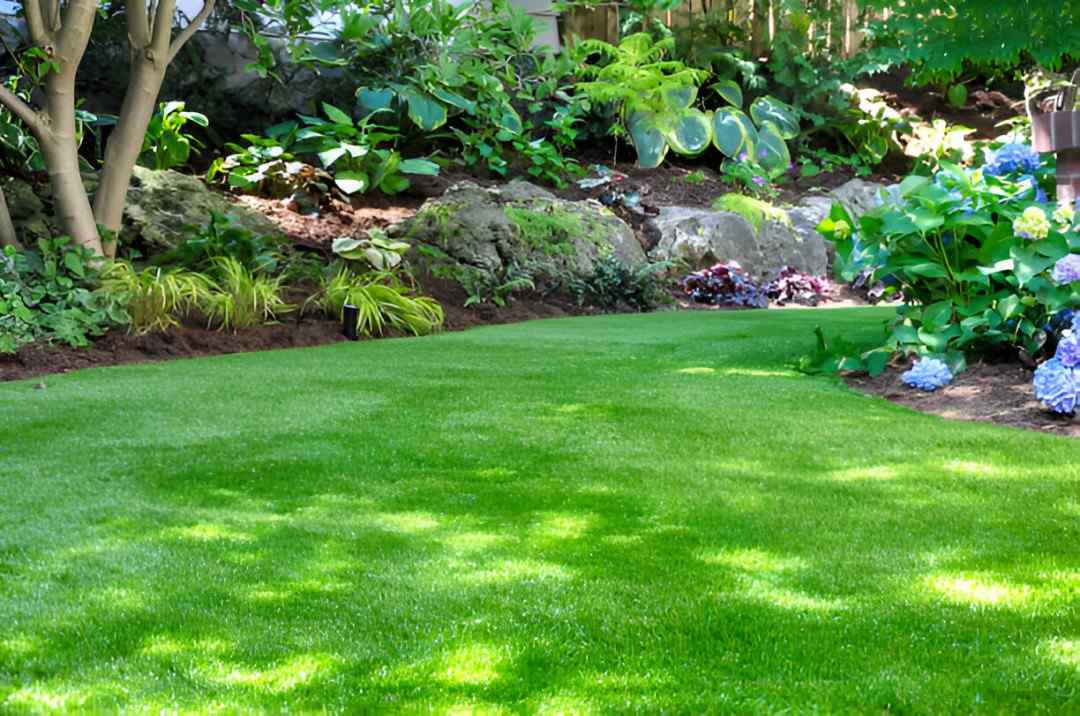
Homeowners are rethinking how they manage their outdoor spaces as weather patterns shift and maintenance demands grow. Many are searching for dependable landscape options that remain consistent throughout the year. Flask Gardening & Maintenance has observed a steady rise in interest toward artificial turf, especially among households wanting practical, low-maintenance solutions. The move reflects a broader preference for outdoor surfaces that stay neat, durable and cost-efficient in 2025.
Key Takeaways
- Artificial turf delivers year-round greenery with minimal upkeep
- Water usage drops significantly for homes replacing natural grass
- Modern turf products offer improved durability and comfort
- Ideal for small yards, shaded areas, and high-traffic zones
- Installation by professionals enhances quality and longevity
A Growing Trend Across Australian Homes
Garden care has become increasingly important as many households face strict water rules, unpredictable rainfall, and higher outdoor maintenance costs. Natural lawns require mowing, watering, edging, fertilising and weed control. By contrast, artificial turf offers a stable, low-demand alternative that suits busy families and modern lifestyles, especially with a wide range of turf options now available. The shift is also driven by:
- Increasing interest in long-term outdoor savings
- Reduced time available for weekly lawn upkeep
- Better turf technology that feels more natural underfoot
- Stronger demand for tidy, practical yards in smaller residential blocks
- Greater awareness of water-efficient landscape choices
Why Homeowners Are Making the Shift in 2025
Artificial turf has been gaining serious momentum over the last few years, but 2025 has seen a noticeable surge in homeowners making the switch. With water restrictions tightening, climate conditions becoming more unpredictable, and busy families wanting low-maintenance outdoor spaces, synthetic grass has become an increasingly attractive option. From suburban backyards to rooftop terraces and even small courtyards, artificial turf is now one of the fastest-growing landscaping trends in the country. Here’s a closer look at why more homeowners are choosing it and what benefits they’re seeing in their homes.
1. The Push for Low-Maintenance Living
Modern households are busier than ever. Between work, school runs, sports, and social commitments, many homeowners simply don’t have the time or energy to maintain a traditional lawn. Artificial turf provides a year-round green space without the weekly chores.
Benefits of Low Maintenance
- No Mowing Required: Say goodbye to early-morning mower noise and weekend mowing schedules.
- No Watering: Ideal for regions with strict water restrictions or high water bills.
- No Fertilisers or Pesticides: A cleaner and more eco-friendly option for families and pets.
- Minimal Upkeep: Occasional brushing and rinsing are usually all that’s needed.
For families wanting more time to relax outdoors instead of working on their garden, this convenience is one of the biggest drawcards.
2. Water Conservation and Rising Utility Costs
Australia’s climate is famously harsh, and maintaining a lush lawn has become increasingly difficult, and expensive. With droughts becoming more frequent and water costs steadily rising, homeowners are searching for practical solutions that don’t compromise the look of their outdoor areas.
Key Reasons Artificial Turf Saves Water and Money
- Zero irrigation needed, even in peak summer.
- Lower utility bills from reduced water consumption.
- No need for sprinkler systems, pumps, or ongoing maintenance.
- Consistent appearance, regardless of rainfall or seasonal changes.
In 2025, sustainability is more than a buzzword, it’s a priority. Artificial turf offers a water-wise alternative that aligns with the growing push for environmentally conscious home improvements.
3. Durability in Australia’s Climate
Whether you live in the blistering heat of Perth, the unpredictable weather of Melbourne, or the tropical humidity of Brisbane, natural grass often struggles to stay healthy. Artificial turf, however, is built to handle the elements. Modern synthetic grass is designed with UV protection, drainage technology, and durable fibres that maintain their appearance year after year.
Advantages in Harsh Weather
- UV-stabilised fibres prevent fading even under intense sunlight.
- Excellent drainage helps avoid muddy patches and pooling after heavy rain.
- Salt- and heat-resistant materials make it suitable for coastal and inland areas.
- Long lifespans, often up to 15–20 years with proper care.
For homeowners who’ve tried everything to keep natural grass alive, only to battle patchiness and weeds, artificial turf offers a long-lasting solution that stays green regardless of weather extremes.
4. Pet- and Family-Friendly Features
One of the biggest misconceptions about artificial turf is that it’s not suitable for pets or children. In reality, modern synthetic grasses are specifically engineered to be safe, durable, and comfortable for everyday use. Many families in 2025 are opting for artificial turf because it creates a clean, soft, and usable outdoor space.
Why Families Love It
- Soft, cushioned feel that’s ideal for kids’ play areas.
- Pet-friendly backing that reduces odours and improves drainage.
- Non-toxic materials ensure safety for kids and animals.
- No mud, dirt, or grass stains, even after heavy use.
- Consistent play surface for backyard sports and activities.
Whether it’s football practice, running pets, or summer barbecues, synthetic turf provides a surface that holds up without turning into a dusty, muddy, or uneven mess.
5. Aesthetics and Modern Landscaping Trends
In 2025, landscaping isn’t just about practicality, it’s about creating cohesive, stylish outdoor living areas. Artificial turf is being used in ways that go well beyond the traditional backyard lawn. With improved textures, colours, and blade variations, synthetic grass looks more realistic than ever.
Popular Aesthetic Uses
- Rooftop gardens and balconies where natural grass can’t grow.
- Pool surrounds for a clean, slip-resistant, and low-maintenance finish.
- Courtyards and small urban spaces where sunlight is limited.
- Mixed landscaping designs with pavers, decking, and native plants.
- Front yards for instant kerb appeal.
Homeowners are embracing artificial turf as part of a broader trend toward modern, functional outdoor design that blends indoor and outdoor living seamlessly.
6. Cost-Effectiveness Over Time
While the initial installation cost of artificial turf can be higher than laying natural grass, homeowners often find that it pays for itself over time. With next to no ongoing maintenance expenses, the financial benefits become clear within a few years.
Long-Term Savings
- Eliminates mowing, fertilising, and lawn repair costs.
- Reduces water bills significantly.
- Extends the lifespan of outdoor areas due to durability.
- Fewer replacements or patch repairs compared to real turf.
For many homeowners, the long-term value and predictable maintenance make artificial turf a smart financial investment.
Where Artificial Turf Works Best?
Artificial turf is versatile and can be used in many outdoor settings. Ideal locations include:
- Front and back lawns
- Courtyards
- Balconies
- Poolside areas
- Walkways
- Rental properties
- Holiday homes
Each area benefits from a neat, low-effort surface that maintains appearance with little attention.
Installation Considerations
Professional installation ensures the turf is level, secure and long-lasting. Poor installation leads to drainage issues, movement and uneven surfaces. When choosing installers, assess whether they offer:
- Site preparation and ground levelling
- Removal of old grass
- High-quality base materials
- Professional turf laying
- Long-term support and maintenance advice
Flask Gardening & Maintenance provides guidance tailored to each property, ensuring the right turf product and installation process.
Environmental Considerations
While artificial turf reduces water usage and chemical treatments, some considerations include:
- Material type and recyclability
- Heat retention in summer
- Quality of drainage solutions
Selecting high-quality, modern turf products helps address these concerns effectively.
Conclusion
Artificial turf has become a preferred choice for homeowners in 2025 due to its practicality, reduced maintenance needs and ability to deliver a consistent, attractive outdoor space. With improved technology and rising climate pressures, the shift toward synthetic lawns continues to accelerate. For professional turf advice, installation and complete garden care, contact us today. Our team is ready to support your landscape with dependable, tailored solutions.
FAQs:
Does artificial turf get hot in summer?
It can warm up during peak temperatures, but newer products include cooling features that reduce heat absorption.
How long does artificial turf last?
Most high-quality turf products last 10–15 years with proper care.
Is artificial turf safe for children and pets?
Yes. Reputable turf products are made from safe materials and offer soft, stable surfaces for daily activities.
Can artificial turf drain properly after rainfall?
When installed correctly, modern turf systems allow efficient drainage through the base layer.
Is artificial turf suitable for shaded areas?
Yes. It remains vibrant in areas where natural grass fails due to poor sunlight.
Does artificial turf require maintenance?
It requires light upkeep such as brushing, rinsing and debris removal, far less demanding than natural lawns.