
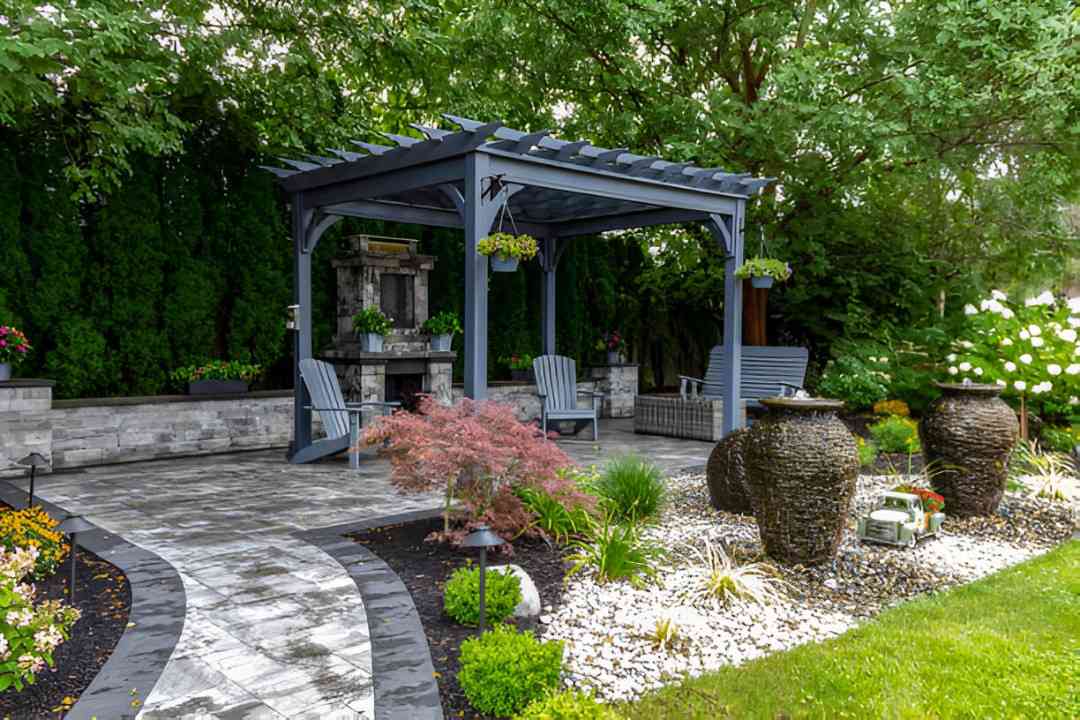
Transforming an outdoor space into a functional, balanced, and long-lasting landscape requires careful planning and skilled execution. Flask Gardening & Maintenance guides clients through each phase of the landscape design process, ensuring every decision aligns with the site conditions, lifestyle needs, and long-term goals. From the first discussion to the final installation, a structured approach delivers outdoor areas that feel cohesive, purposeful, and visually refined.
Key Takeaways
- A strong landscape plan begins with a clear brief
- Site analysis influences layout and material decisions
- Concept design shapes structure and flow
- Detailed plans support accurate installation
- Ongoing care preserves long-term quality
Understanding the Landscape Design Process
Landscape design is more than placing plants or installing paths. It is a deliberate method that blends function, structure, and environmental awareness. The process involves site evaluation, conceptual planning, detailed drawings, material selections, and finally, skilled installation. A well-structured design plan ensures the space fits local climate conditions, suits daily use, and remains practical over time. Each stage works together to create a landscape that feels balanced and long-lasting.
Key elements include:
- Reviewing the site’s natural strengths and limitations
- Establishing clear goals for layout and usability
- Selecting durable materials suited to Australian conditions
- Choosing plants that thrive in local climates
- Coordinating each construction stage for a smooth outcome
- Post-removal landscaping also plays a role when preparing outdoor spaces for renewal or redesign.
Landscape design must also consider unique factors such as climate zones, bushfire-prone areas, water restrictions, and native biodiversity. Working through each stage methodically ensures your outdoor space is not only visually appealing but also functional, sustainable, and built to last. Here’s what to expect from the landscape design journey, from the first spark of inspiration through to the final touches.
Initial Consultation and Site Assessment
The landscape design process typically begins with an initial consultation. This is where you discuss your goals, lifestyle needs, budget, and style preferences with a landscape designer. Understanding how you use the space is essential for shaping the direction of the design. After the first discussions, a designer will usually conduct a thorough site analysis.
A site assessment generally examines:
- Existing conditions such as soil type, drainage, slopes, and sunlight patterns
- Microclimate factors, including wind exposure and shade
- Existing features like trees, retaining walls, or structures
- Access points for future construction
- Potential challenges like erosion, uneven land, or poor soil health
This step forms the foundation for a functional and realistic design.
Developing the Concept Plan
Once the designer understands the site and your goals, the next step is creating a concept plan. This is an early-stage design that outlines the broad ideas for the space without going into fine technical detail.
A concept plan may include:
- Overall layout of garden zones
- Placement of patios, walkways, decks, and outdoor living zones
- Proposed planting themes and general plant types
- Locations of water features, lighting, and structural elements
- Preliminary colour palettes and material choices
This phase is all about creativity and exploration. It gives you the chance to visualise the potential of your space and make adjustments before committing to the final design. Many designers also provide mood boards, sketches, or 3D visualisations to help bring the ideas to life.
Design Refinement and Master Plan
After reviewing the concept plan, you and the designer refine the landscape design until it aligns perfectly with your vision. This stage shifts from creative brainstorming to detailed design.
The master plan typically includes:
- Scaled drawings with exact measurements
- Final placement of all hardscape and softscape elements
- Specific plant selections suitable for your climate zone
- Material choices for paving, decking, and garden structures
- Detailed irrigation, drainage, and lighting layouts
- Notes on construction requirements and special features
A strong master plan ensures clarity and accuracy for everyone involved in the build phase.
Documentation and Costing
After the design is approved, comprehensive documentation is created. This is especially important for larger projects that require council approval, engineering input, or the involvement of multiple trades.
Documentation often includes:
- Construction drawings
- Planting schedules
- Soil preparation notes
- Irrigation plans
- Material specifications
- Bushfire or environmental compliance reports (if applicable)
Costing is also completed at this point. A detailed quotation helps you understand the full budget and allows for adjustments if needed before construction begins.
Council Approvals and Compliance
Depending on the scope of your project, you may need council approval before construction can begin. This is common for structural elements such as retaining walls, large decks, pergolas, pools, and boundary changes.
Council requirements may involve:
- Building permits
- Engineering certifications
- Drainage assessments
- Bushfire Attack Level (BAL) considerations
- Heritage overlays or environmental restrictions
Your designer or builder often assists with preparing the required documents.
Construction and Installation
With approvals in place, the project moves to the construction stage. This is where the design becomes reality. A skilled landscape construction team will follow the master plan and technical documentation to bring the design to life.
Construction may involve:
- Site preparation and excavation
- Installing retaining walls, paving, and structural elements
- Building decks, pergolas, fire pits, or outdoor kitchens
- Laying turf and preparing soil for planting
- Installing irrigation, lighting, and drainage systems
- Completing hardscape and softscape features
This stage can take anywhere from a few weeks to several months, depending on the size and complexity of the design.
Planting and Final Touches
Once the major construction work is finished, the soft landscaping begins. This brings colour, texture, and life to the space. Planting is typically done strategically to ensure long-term growth, sustainability, and visual appeal.
Final touches may include:
- Installing garden beds and mulch
- Placing feature plants or trees
- Adding decorative gravel, stepping stones, or edging
- Setting up outdoor furniture and accessories
- Testing irrigation and lighting systems
This is the moment when the space truly comes together, transforming from a building site into a functional and inviting garden.
Ongoing Maintenance and Care
Even after the project is completed, ongoing maintenance is crucial, especially during the establishment period for new gardens. Plants need time to adapt, irrigation systems require tuning, and structural elements may need minor adjustments.
Maintenance tasks typically include:
- Regular watering and fertilising
- Pruning and pest management
- Seasonal soil care
- Cleaning and maintaining hardscape surfaces
- Monitoring plant health and adjusting garden care as needed
Some homeowners choose to engage a maintenance service to ensure the garden stays healthy and vibrant year-round. Flask Gardening & Maintenance provides ongoing support to keep landscapes in strong condition.
Conclusion
A well-planned landscape follows a clear process, from the first consultation through to installation and long-term care. Each stage contributes to an outdoor space that is practical, balanced, and crafted to last. If you are ready to transform your garden with a structured and professional design process, contact us to begin your project with confidence.
FAQs:
How long does the landscape design process take?
Timeframes vary depending on project size, site conditions, and design complexity. Most projects progress across several stages.
Do I need a concept plan before starting construction?
Yes. A concept plan guides the layout, structure, and overall design direction.
Can existing plants or structures be kept in the new design?
In many cases, yes. The site assessment will determine what can be retained safely.
Is professional landscape design worth it?
Professional design strengthens usability, lowers ongoing upkeep, and ensures all materials and plants align with the surrounding environment.
How do I prepare for an initial consultation?
Prepare ideas on style, features, budget, and how you intend to use the space.
Do landscapes require regular maintenance after installation?
Yes. Consistent care helps plants establish and keeps outdoor areas healthy.