
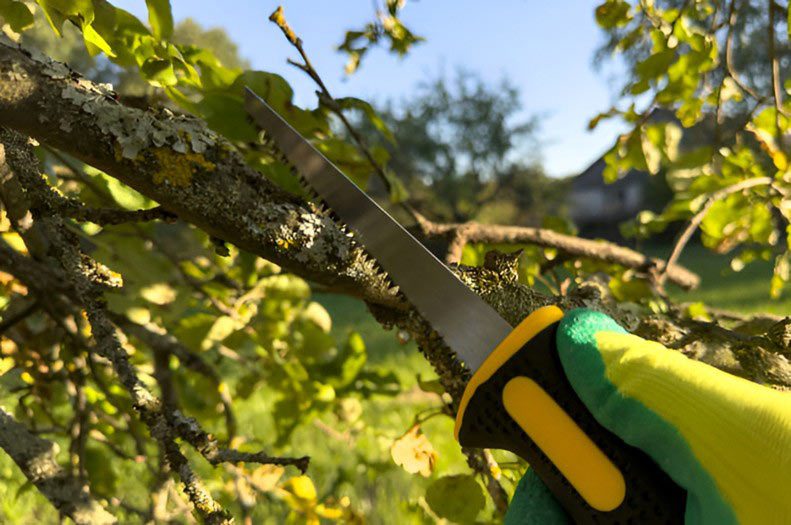
Healthy trees do not happen by chance. At Flask Gardening & Maintenance, we regularly see beautiful gardens compromised by simple but serious tree care mistakes. Poor pruning, soil neglect, overwatering, and delayed action can weaken structure, invite disease, and shorten a tree’s lifespan. Understanding these common mistakes helps homeowners protect safety, property value, and the long-term health of their landscape.
Key Takeaways
- Prune correctly and at the right time
- Maintain soil health consistently
- Avoid overwatering and improve drainage
- Act early on diseased trees
- Plan planting locations carefully
When it comes to looking after your backyard, most homeowners reckon they’ve got it sorted. A bit of pruning here, a trim there, maybe a chainsaw session on the weekend, easy as. But tree care isn’t just about keeping things tidy. Done wrong, it can cost you thousands, damage your property, or even put lives at risk.
Across places like Sydney, Melbourne and Brisbane, arborists see the same shocking mistakes time and time again. If you’ve got trees on your property, here are five big blunders you’ll want to avoid.
1. Butchering Trees With Bad Pruning
We’ve all seen it, a tree hacked within an inch of its life, branches lopped off randomly, leaving it looking like a sad stick in the ground. A lot of homeowners think heavy cutting will “control” growth or make a tree safer. In reality, poor pruning can:
- Weaken the tree’s structure
- Invite pests and disease through bad cuts
- Trigger wild, unstable regrowth
- Shorten the tree’s lifespan dramatically
“Topping”, where the entire crown is chopped flat, is one of the worst offenders. It stresses the tree out and forces it to shoot up fast-growing, weak branches that are more likely to snap in a storm.
Proper and regular pruning is about selective cuts, done at the right time of year, with clean tools and a solid understanding of tree biology. If you’re not sure what you’re doing, it’s worth calling a qualified arborist instead of turning your backyard into a DIY horror show.
2. Planting Massive Trees Too Close to the House
It might look harmless when it’s a tiny sapling from the nursery, but fast-forward ten years and that “cute little tree” is towering over your roof.
In growing suburbs around Perth and Adelaide, one of the biggest issues is poor planning. People plant large species too close to:
- House foundations
- Underground plumbing
- Driveways and paving
- Boundary fences
- Power lines
Tree roots naturally seek moisture. That means they’ll head straight for leaking pipes or moist soil near your slab. Over time, this can lead to cracked foundations, lifted paving and blocked drains.
Before planting, always check the mature height and root spread of the species. What looks manageable now might become a 15-metre monster later. Give trees the space they need from the start, and you’ll avoid expensive removal jobs down the track.
3. Ignoring Dead or Dangerous Branches
Out of sight, out of mind until a storm rolls in.
Dead branches (often called “widow-makers”) are a serious hazard. In high-wind events or summer storms, they can come crashing down onto cars, roofs, fences or worse, people.
Homeowners often ignore warning signs like:
- Cracked or hanging limbs
- Fungal growth on trunks
- Hollow-sounding wood
- Large splits where branches join
Australia’s weather can turn savage quickly. In places like Darwin, storm seasons can test even healthy trees. A quick tree safety inspection once or twice a year can make a massive difference.
If you spot anything dodgy, don’t try climbing up with a ladder and a handsaw. Tree work is one of the most dangerous jobs around. Professional arborists have the training and gear to deal with unstable branches safely.
4. Overwatering or Underwatering (Especially New Trees)
Watering seems simple, right? Turns out, it’s one of the most misunderstood parts of tree care.
In drought-prone regions, homeowners often overwater young trees, assuming rain will do the job. On the flip side, in coastal areas, some people drown their trees with daily watering.
Both extremes can cause problems:
- Overwatering can suffocate roots and cause rot
- Underwatering can stunt growth and cause leaf drop
- Inconsistent watering can stress the tree, making it vulnerable to pests
Young trees especially need deep, consistent watering while they establish. That usually means a slow soak that penetrates well into the soil, rather than a quick splash from the hose.
A good layer of mulch (but not piled against the trunk) helps regulate moisture and temperature. It’s a simple fix that too many homeowners skip.
5. Attempting Dangerous DIY Tree Removal
This one’s a ripper and not in a good way.
Every year, Aussies end up in hospital after attempting to remove large trees themselves. Chainsaws, ladders and gravity are a risky combo. And when trees are near homes, fences or power lines, the stakes are even higher.
Homeowners often underestimate:
- The weight and direction of falling limbs
- Internal decay that weakens the structure
- Tension in branches under load
- The complexity of controlled dismantling
Removing a tree isn’t just about cutting it at the base and hoping for the best. Professionals assess lean, balance, wind direction and nearby structures before making a single cut.
In urban areas, councils may also require permits for removing certain trees. Ignoring local regulations can land you with hefty fines on top of repair bills.
Why Getting Tree Care Right Really Matters
Trees add massive value to your property. They provide shade, reduce cooling costs, improve air quality and boost street appeal. In Australia’s harsh climate, they’re more than just decoration, they’re part of making a home liveable.
But they’re living organisms. They need proper planning, maintenance and respect.
Avoiding these five shocking mistakes can:
- Save you thousands in structural repairs
- Reduce safety risks for your family
- Extend the life of your trees
- Protect your property value
- Keep you on the right side of local council laws
If you’re ever unsure, a qualified arborist can assess your trees and give practical advice tailored to your property and climate. At the end of the day, a healthy tree is a long-term investment. Treat it right, and it’ll look after you for decades. Better to sort it properly now than learn the hard way later.
Why Professional Tree Care Matters
Tree care is not seasonal trimming. It is long-term stewardship.
Healthy trees:
- Increase property value
- Provide shade and energy efficiency
- Improve biodiversity
- Reduce soil erosion
The study highlights the ecological role of urban tree canopies in reducing heat and supporting wildlife. Professional maintenance reduces risk while preserving beauty.
At Flask Gardening & Maintenance, our team evaluates each tree individually. We assess soil, structure, tree canopy lifting, and environmental exposure. Decisions are deliberate. Every cut serves a purpose.
Conclusion
Tree care errors are often unintentional. Yet the consequences can be significant. Structural weakness, disease spread, and property damage are preventable with informed maintenance. If your trees require assessment, corrective pruning, or removal, contact us today. Our team provides professional tree care designed to protect both safety and landscape integrity
FAQs:
What is the best time of year to prune trees in Australia?
Late winter to early spring is generally ideal for many species, as trees are dormant and new growth has not yet begun. However, timing varies depending on the species.
Can tree roots damage underground pipes?
Yes. Tree roots naturally seek moisture and may infiltrate ageing or cracked pipes. Proper species selection and planting distance reduce this risk.
How much mulch should be placed around a tree?
Mulch should be applied 5–10 cm thick around the base, keeping it clear of direct contact with the trunk to prevent rot and fungal issues.
Are native Australian trees easier to maintain?
Many native species are well adapted to local climate conditions. However, they still require correct pruning, soil care, and monitoring to remain healthy.
Should storm-damaged trees always be removed?
Not always. Minor damage can often be corrected through structural pruning. Removal is only necessary when safety risks or severe instability are present.
How can I improve airflow around my trees?
Selective pruning improves air circulation through the canopy, reducing moisture retention and lowering the risk of fungal disease.
Do trees increase property value?
Yes. Well-maintained mature trees can increase property value, improve street appeal, and enhance energy efficiency through natural shade.